
The Baptist distinctives are a set of key theological and practical principles that have historically defined Baptist beliefs.
1. Biblical Centrality
The Bible is central in all matters of belief and practice. Creeds and confessions of faith, which attempt to articulate the theology of Scripture, do not carry Scripture’s inherent authority. (
2 Timothy 3:15-17; 1 Thessalonians 2:13; 2 Peter 1:20-21)
2. Autonomy of the Local Church
All human authority for governing the local church resides within the local church itself. Thus the church is autonomous, or self-governing. No religious hierarchy outside the local church may dictate a church’s beliefs or practices. Autonomy does not mean isolation. A Baptist church may fellowship with other churches around mutual interests and in an associational tie, but a Baptist church cannot be a “member” of any other body. (
Colossians 1:18; 2 Corinthians 8:1-5, 19, 23)
3. Priesthood of the Believer
“Priest” is defined as “one authorized to perform the sacred rites of a religion, especially as a mediatory agent between humans and God.” Every believer today is a priest of God and may enter into God’s presence in prayer directly through our Great High Priest, Jesus Christ. No other mediator is needed between God and people. As priests, we can study the Scriptures, pray for others, and offer spiritual worship to God. We all have equal access to God whether we are a preacher or not. (
1 Peter 2:5, 9; Revelation 5:9-10)
4. Two Ordinances
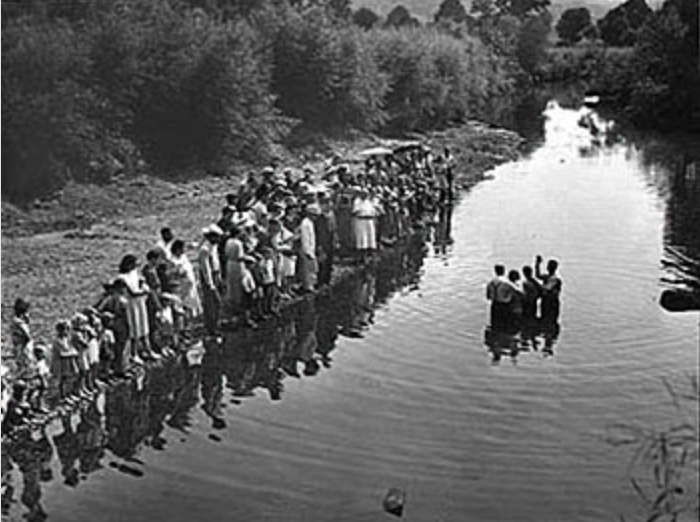
The local church practices two ordinances: (1) baptism of believers by immersion in water, identifying the individual with Christ in His death, burial, and resurrection, and (2) the Lord’s Supper, or communion, commemorating His death.
(Matthew 28:19-20; 1 Corinthians 11:23-32)
5. Individual Soul Liberty
Every individual, whether a believer or an unbeliever, has the liberty to choose what they believes is right in the religious realm. No one should be forced to assent to any belief against their will. Baptists have always opposed religious persecution. However, this liberty does not exempt one from the responsibility to thoroughly study the Bible in determining one’s beliefs.
(Romans 14:5, 12; 2 Corinthians 4:2; Titus 1:9)
6. Confessional and Baptized Church Membership
Local church membership is for individuals who give a public confession of their faith in Jesus Christ and have publicly identified themselves with Him in believer’s baptism. When the members of a local church are believers, a oneness in Christ exists, and the members can endeavor to keep the unity of the Spirit in the bond of peace.
(Acts 2:41-47; 1 Corinthians 12:12; 2 Corinthians 6:14; Ephesians 4:3)
7. Two Offices
Baptists recognize only two offices in the church: elder and deacon. The three terms—”pastor”, “elder”, and “bishop/overseer”—all refer to the same office. The two offices of elder and deacon exist within the local church, not as a hierarchy outside or over the local church. (
1 Timothy 3:1-13; Acts 20:17-38; Philippians 1:1)
8. Separation of Church and State
The civil government and churches are distinct entities and one should not control the other, nor should there be an alliance between the two. Christians in a free society can properly influence government toward righteousness, which is not the same as a denomination or group of churches controlling the government.
(Matthew 22:15-22; Acts 15:17-29)
 Missionary Baptist Bible College